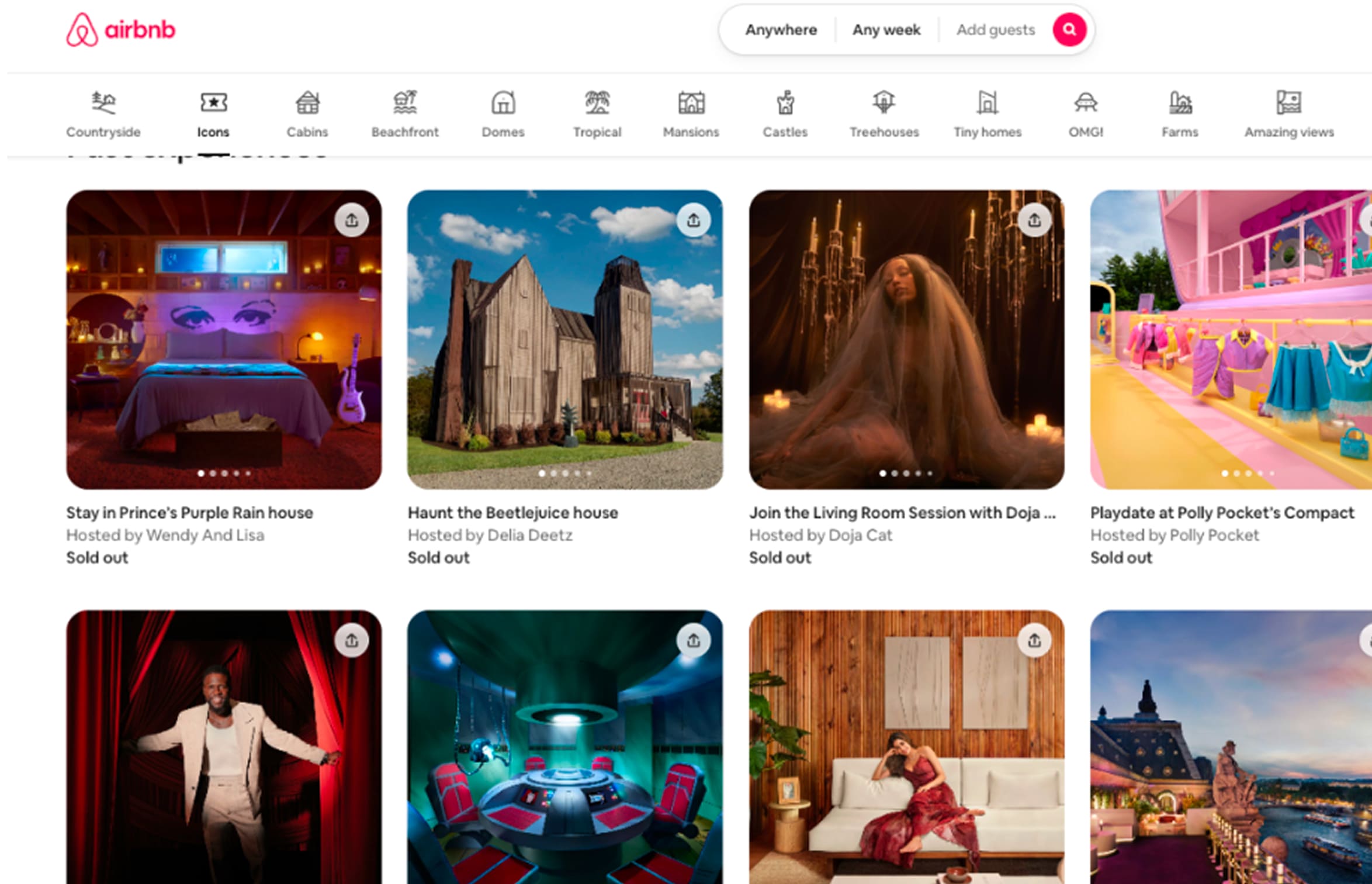
As the vacation rental industry continues to grow, the attitude of hotel brands towards alternative accommodation is evolving. Seeing the success of property management companies and the opportunities that lie in short-term rentals, hotels have started diversifying their portfolio and moving into a market that, for them, is uncharted territory. Below, we explore what hotels can do to successfully move into the vacation rentals space and offer a variety of accommodation options to their guests.
Hotels and Vacation Rentals: past, present and future
The relationship between hotels and vacation rentals has gone through significant changes in recent years.
After the initial wave of excitement surrounding Airbnb in the early 2010s, vacation rentals were still perceived as a sharing economy fad that would not play a major role in global travel. At the time, the vacation rental industry was just beginning to take shape. It was immature and starting to organise itself, involving mainly non-professionals – private individuals sharing their own homes to earn some extra money. How could they ever pose a threat to the highly professional hotel industry with decades of experience in providing accommodation services?
However, as vacation rentals grew in popularity and large short-term rental property management business started to appear, the perception of alternative accommodation started to change. Hotels began to see the rise of vacation rentals as competition. Now, they were suddenly losing bookings to a new rival that seemed to appear out of nowhere. Most hotel brands may have seen the appeal of vacation rentals and understood the trend, but they didn’t want much to do with it.
In recent years, the vacation rental industry has been going through rapid professionalisation and consolidation. The world’s 20 biggest property management companies have taken vacation rentals to new heights, using data and specialised technology to build sophisticated growth strategies. Vacation rental websites have been growing faster than ever – one of the biggest players, Airbnb is gearing up for an imminent IPO. There has also been a surge in venture capital investment in property management startups, with companies like Turnkey and Lyric raising $48M and $160M respectively.
Ambitious urban property management companies like Sonder and Stay Alfred are blurring the lines between hotels and vacation rentals. These “Hotels 2.0” companies provide the Airbnb experience of living like a local combined with hotel-like service by renting multi-unit buildings on a master lease model.
As a recent development, Google has added vacation rentals to its travel search results, levelling the playing field and displaying vacation rentals alongside hotels.
Today, vacation rentals are the fastest-growing segment in travel. Worth over $100 billion, it’s become one of the most lucrative industries in the travel space – and hotels are finally starting to take notice. More and more hotel brands are beginning to realise that by distancing themselves from vacation rentals, they’re losing out on opportunities. Now, they want a slice of the cake.
Some of the world’s largest traditional hotel brands have ventured into the vacation rental market by acquiring property management companies. Marriott International, Choice Hotels, AccorHotels and Hyatt Hotels have all started diversifying their portfolios and offering vacation rentals to their guests.
Some hotels are leveraging their loyalty programs by giving their returning guests the option to choose between different accommodation types. For example, AccorHotels’s 42 million Le Club loyalty members can use their points to book a property through OneFineStay, a company that manages over 10,000 luxury vacation rentals.
But what can hotels do to keep up with the competition and make a successful move into the short-term rental market?
What hotels need to know about vacation rentals
1. Hotels need to shift their mindset
Hotels moving into the vacation rental space need a mindset shift for success. They need to understand that travellers who book vacation rentals are looking for a unique experience: they want to live like a local, stay in authentic neighbourhoods and enjoy the comfort of a full apartment as opposed to a small hotel room. They want to be immersed in a destination and expect their hosts to give them recommendations on what to see and do.
Travellers who opt for alternative accommodation also have different booking habits: they book more in advance, stay longer and cancel less. This is something that hotels must also keep in mind.
2. Hotels need to work with vacation rental distribution sites
Vacation rental websites like Airbnb and Vrbo are extremely popular among travellers. If hotel brands want to distribute their vacation rentals where their target audience books their stays, they need to start working with vacation rental websites which have different terms.
These platforms are slowly opening up to hotels – Airbnb, for instance, started accepting boutique hotels and bed & breakfasts last year.
However, hotels must be aware that marketplaces like Airbnb have different cancellation policies and other requirements. If they want to be successful in the vacation rental space, they must adapt to these conditions.
3. Hotels must embrace specialised vacation rental technology and channel managers
Hotels have the technology and the know-how to run hotels, but they lack the skills and tools for running vacation rentals.
In areas like channel management, yield management and home automation, tech is a major part of the vacation rental industry’s success. Specialist vacation rental tech increases the return on investment for owners and property managers and is likely to do the same for hotel brands as they move into this area.
When it comes to distribution, for example, a hotel channel manager works in a completely different way than a vacation rental channel manager – the process of allocating rooms, the revenue per room and the minimum stay is very different.
In terms of operations, technology is fundamentally important in the vacation rental world to ensure that private homes remain secure, provide a great guest experience and generate the best financial returns.
4. Hotels must train their staff
If hotels want to cater to guests who are used to staying in vacation rentals, they must train their staff for a different kind of product that speaks to a different type of traveller.
One of the biggest issues faced by hotels moving into vacation rentals is that the product is different. Hotel brands need to take into consideration the differences between hotel rooms and vacation rentals – for instance, different layout configurations, blocked out availability and multiple owners.
Tech can be super helpful in making this shift, but training staff – from receptionists to revenue managers – is vital.
The Rentals United Channel Manager is built specifically for the complexity of vacation rentals. Request a demo and we’ll show you how it works!