Every year, Airbnb closes out the spring with its Summer Release, and every year the short-term rental industry scrambles to figure out what actually changed.
This year we did the digging for you. We have analyzed the 2026 Summer Release line by line and pulled out what it really means for property managers, now sit down and enjoy the reading.
So if you are wondering what Airbnb’s 2026 Summer Release means for your business, here is the short version: the new guest services and AI features are not the story. The story is that Airbnb just quietly redrew the map of who you compete with, what the algorithm reads about your listings, and how fast guests now expect you to respond. Some of it is an opportunity. Some of it is a warning. All of it is worth ten minutes of your time before your next booking comes in.
Below, we break down each major change, what flies under the radar, and the concrete moves that keep you ahead of it.
What Airbnb 2026 Summer release should matter most for vacation rental companies
Airbnb’s 2026 Summer Release, announced by Brian Chesky on May 20, 2026, is the platform’s biggest step beyond accommodation yet. Most of the coverage went straight to the crowd-pleasers: groceries waiting in the fridge, a driver tracking your guest’s flight, luggage storage on demand.
What should matter most to a vacation rental company is structural, and it is happening underneath the announcements. Your listing now sits in a wider competitive set, the algorithm reads your data differently, and guests arrive expecting answers in seconds. Those three shifts decide your bookings far more than any single guest service. Track only the headline features and you will miss the floor moving under your feet.
Services and experiences expansion
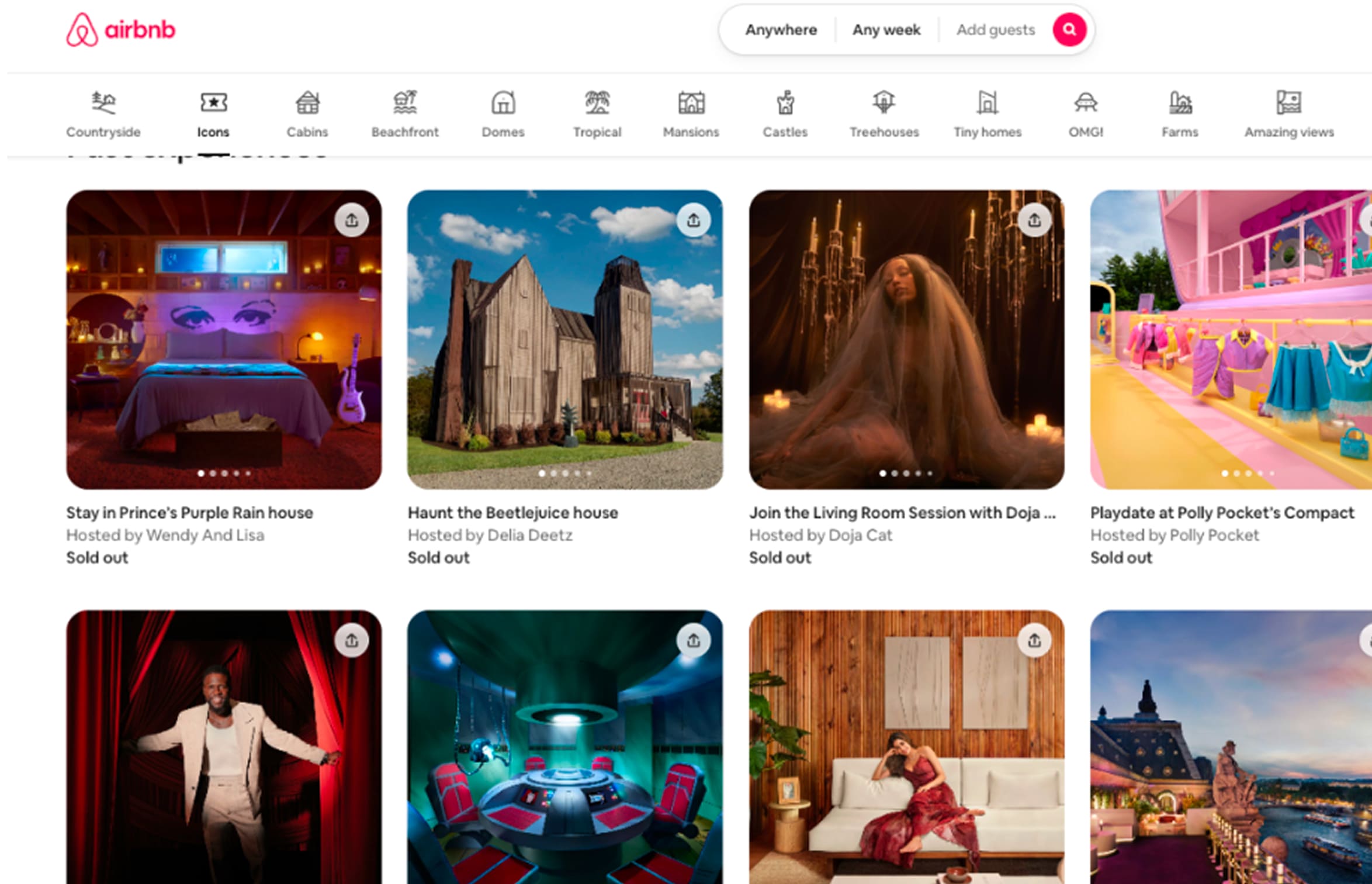
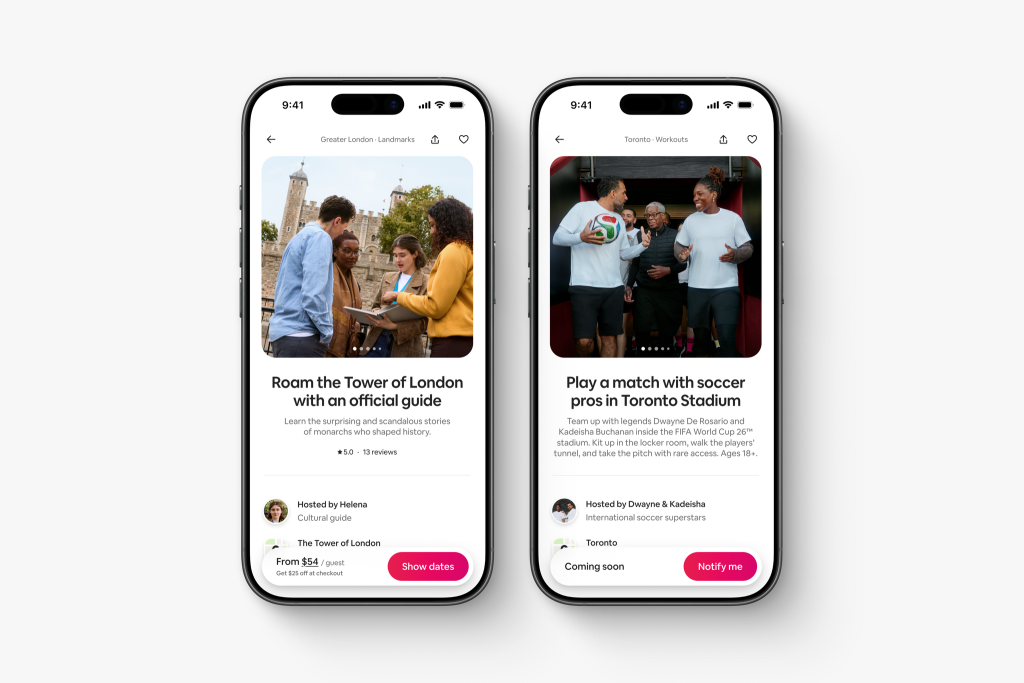
The new services cover a guest’s trip from the moment they land to the moment they check out. Grocery delivery runs through Instacart in more than 25 US cities, airport pickups through Welcome Pickups in over 160 cities, luggage storage through Bounce across 15,000 locations, and car rentals arrive later this summer. On top of that, Airbnb added thousands of Experiences, including more than 3,000 landmark experiences and exclusive FIFA World Cup 2026 access.
Many of these are services professional managers already know how to deliver, and that experience is now an advantage. Airbnb has turned grocery drops and airport transfers into platform features, which means guests now expect that level of service everywhere. You already run these operations daily, so you can offer them with a personal touch and a quality the platform cannot match through a third-party partner.
A pre-stocked fridge is still your upsell and your reason for a five-star review. The difference is that Airbnb has just validated the demand for you, at scale, in front of every guest.
Your competitive advantage as a professional property management company is to keep your highest-touch services as differentiators that give guests a reason to come to you next time, and let the platform handle the commodity logistics you would rather not staff yourself.
Now more than ever, property managers listing on Airbnb have the responsibility to decide which services build your guest relationship and which ones you happily outsource to Airbnb.
Boutique and independent hotels: a widened competitive set
The change with the sharpest edge for US property managers is hotels.
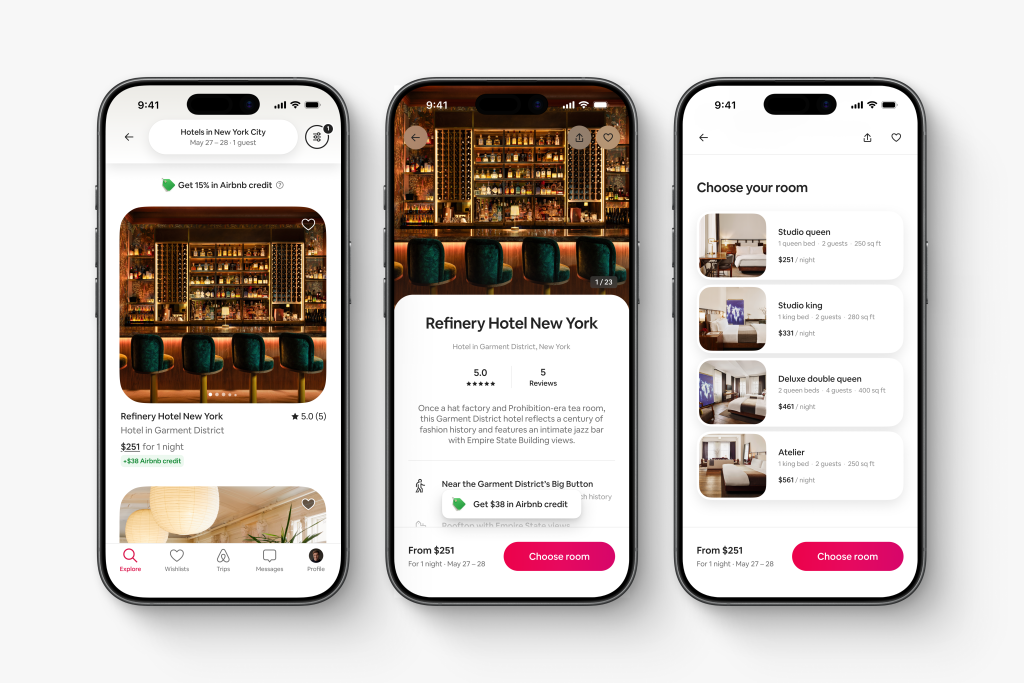
Airbnb now lists boutique and independent hotels in 20 destinations, including New York, Madrid, Rome, and Singapore, and it backs them with a price match guarantee plus up to 15% credit toward a future stay. The app actively recommends these hotels for one-night stays, last-minute trips, and business travel, and it pushes them hardest in cities where short-term rental rules are tight.
What this means for vacation rental operators is that now, your listings appear in the same search as a hotel, competing for the same guest.
The second move is a direct compromise to your direct booking infrastructure. With a credit-back offer Airbnb’s makes its first real loyalty mechanic, quietly training guests to rebook inside the platform and redirecting them so they won’t book to a competitor or, more importantly, to your website.
AI features in the mid-funnel, and why they change your job
Airbnb’s AI adoption is here and this is how you can start leveraging on it:
- AI review highlights: AI is reading your reviews. Guests are no longer going to dig through five pages of reviews; an AI is going to summarize them instantly. If three people mentioned that the Wi-Fi is spotty or the street is noisy, that is going to be front and center in the AI highlight. On the flip side, if everyone loves our mattresses, that becomes a huge, automatic selling point
- Head-to-head AI comparisons: When a guest adds your property and three competitors to their wishlist, Airbnb’s AI is going to compare you side-by-side. This means your listing data needs to be absolutely flawless. If you forget to check the box for “espresso machine” or “blackout curtains,” the AI won’t know to highlight them when fighting for the booking on our behalf. Takeaway: It is time to audit your amenities list and make sure our descriptions are hyper-specific.
- Location and local tips are a bigger selling point: From now on, guests can access a new shared map to plan their trip and see how far your property is from restaurants and attractions. If our property is centrally located, this is a massive win. It also means you should probably make sure your digital guidebooks are top-notch, because guests are actively plotting out their itineraries in the app before they even arrive.
- Word-of-mouth just became your biggest marketing tool: Airbnb is turning into a social network. Guests will soon be able to see exactly where their friends stayed and read the reviews they left. A mediocre stay means more than a quiet 4-star review; it also implies their entire network of friends and family will see it and probably book elsewhere.
- Guest support is getting automated: Airbnb is leaning heavily into AI chatbots and voice assistants for guest support. In theory, this is great news for property managers: the AI can handle basic guest confusion or platform glitches before it escalates to a middle-of-the-night phone call to us. What we could hope is that this filters out the noise and gets guests faster resolutions for the easy stuff, leaving you property managers to focus on things that actually matter.
Why this release matters more than past Airbnb releases
Earlier releases refined the model you already knew: better search, sharper filters, the launch of Rooms. This one changes what Airbnb actually is. It is becoming a full-trip platform that owns the logistics, competes with hotels, and mediates discovery through AI. Each of those moves quietly transfers a piece of the guest relationship from you to the platform.
The counter is to anchor yourself in the relationship Airbnb cannot mediate: a broad distribution network and the ability to turn one-time platform guests into repeat guests you reach on your own terms. Spreading inventory across multiple booking channels must be your go-to.market strategy if you want to make sure no single platform’s roadmap decides whether your calendar fills.
The FIFA World Cup is a revenue event happening right now
While everyone debates the long-term strategy, there is money on the table this summer 2026.
The World Cup is playing out across US host cities, and Airbnb has locked in once-in-a-lifetime Experiences tied to it. This is concentrated, time-boxed demand in specific markets, and it rewards seasonal promotions and disciplined pricing far more than any feature in the release. If your availability and rates are not already dialed in, you are leaving bookings for someone faster.
Visibility is the whole game here. Demand this size pulls in luxury rentals and everyday inventory alike, but only listings that appear everywhere catch the overflow. Operators distributing across many channels, rather than betting on one, are the ones who capture guests a single platform would never surface to them.
The bigger picture
The pattern repeats across every corner of this release.
Airbnb is absorbing more of the trip and more of the data, and it is doing it well. The smart response is not to retreat from the platform but to stop depending on it alone. Clean listing data, fast guest communication, and distribution you actually control are what hold steady while the platform keeps expanding. The managers who treat the Airbnb community as one strong channel among many, backed by wide distribution and a real direct-booking engine, are the ones built for the travel trends 2026 will only accelerate.
FAQ
What are the new verification standards in Airbnb’s 2026 Summer Release?
The update requires strict identity verification and comprehensive data matching for all professional listings. Properties failing to meet these exact trust criteria lose significant visibility in primary search results.
How do seasonal promotions work in the new update?
The platform prioritizes listings that apply structured promotional discounts during specific low demand periods. Advanced channel managers automate these complex pricing rules across your entire portfolio instantly.
How does this release affect luxury property managers?
Premium asset managers face stricter guest vetting requirements to mitigate property damage risks. Standardizing experiential amenities via direct data connections ensures high value listings reach vetted guests efficiently.