Going beyond channel management it’s about transforming your short-term rental distribution system into a profit engine, not just a calendar-sync tool.
Ten years ago, “channel management” meant avoiding double bookings. In 2025, it’s about data-driven distribution, dynamic pricing, and strategic partnerships with OTAs (online travel agencies) like Airbnb, Booking.com, and Expedia.
Modern property managers need more than technology. They need operational mastery. This playbook is your guide to doing just that.
Don’t see the form to download the Playbook? Click here
What has changed in short-term rental distribution?
Channel management (then): Syncing calendars and rates across platforms,
Channel mastery (now): Using data, automation, and strategy to maximise visibility and profit per booking.
Where property managers once used fragmented systems and manual processes, today’s approach integrates seamlessly with advanced PMS platforms. Channel managers have become strategic growth tools, offering coaching, insights, and long-term distribution planning. In short, the role has shifted from an operational necessity to a revenue engine, helping short-term rental businesses compete intelligently in a crowded market.
Key takeaway: Distribution used to be about presence. Now it’s about performance.
| 2014 | 2025 |
| Few dominant OTAs | OTAs are now marketing machines |
| Manual updates, double bookings common | Automated syncing, unified calendars, zero double bookings |
| PMS were clunky, slow, and rarely integrated | PMS = central hubs with automation, dynamic pricing, and integrations (channel managers) |
| Less competition: just being listed meant visibility | STR competition has doubled/triple |
The five keys to revenue-first success
1. How do I optimize for profit, not just presence?
Shift your focus from occupancy to profitability. Design rate structures that reflect guest demand and property value.
Why it matters
In 2025, 60% of property managers still use only one rate plan, leaving money on the table. Multi-rate pricing and non-refundable options increase both flexibility and visibility.
How to apply it
- Offer Multiple and non-refundable rate plans: Create flexible, non-refundable, and long-stay options to capture different buyer intents. Properties offering three rate plans earn up to 3x more revenue using Rentals United channel manager.
- Set strategic pricing for luxury properties: Package high-end listings with experiences—like local tours or airport transfers—to boost perceived value.
- Set mobile-only rates: Half of bookings now happen on mobile. OTA apps reward mobile-exclusive pricing with higher ranking.
Example: A Madrid property manager running several apartments found occupancy steady but profit margins flat. After introducing layered rate plans and adding a 10% mobile-only discount, bookings from last-minute travellers and digital nomads rose sharply without any reduction in standard nightly rates.
Quick stat: Mobile-exclusive rates can increase bookings by 30% (Booking.com, 2024).
2. How do I tailor my strategy to each OTA?
Each OTA rewards different behaviours. So tailor your listings and promotions to their algorithms.
Why it matters
A “copy-paste” approach across channels reduces visibility. Airbnb prioritises engagement; Booking.com prioritises conversion.
How to apply it
- Airbnb: Use ‘New Listing Promotions’: Offer a 20% discount on your first three bookings. Airbnb reports a 21% drop in unbooked nights when hosts do this.
- Booking.com: Set geo-targeted rates:Price dynamically for international demand. This widens reach and fills off-peak seasons.
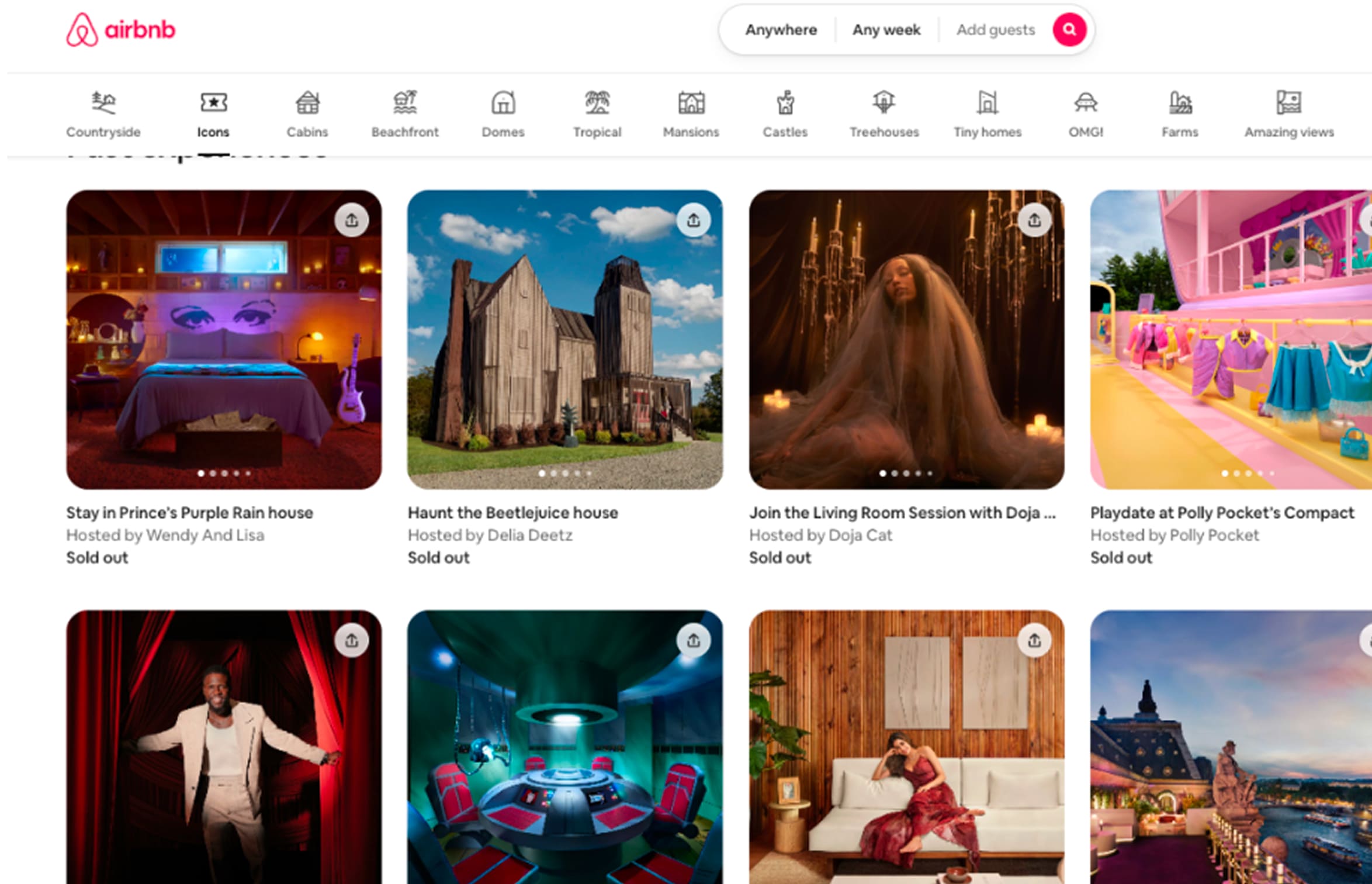
Comparison table: Channel optimization focus
| OTA | Key Algorithm Factor | Best Promotion | Result |
| Airbnb | Responsiveness and reviews | New listing promotion | Faster early bookings |
| Booking.com | Conversion and competitiveness | Geo-rates | Higher visibility in global searches |
| Expedia | Package inclusion | Bundled offers | Longer stay bookings |
3. How can small operational tweaks boost my bookings?
Incremental listing improvements drive long-term revenue gains.
Why it matters
Micro-adjustments like extended calendars or property clustering can add up to significant occupancy increases.
How to apply it
- Extend availability windows: Open calendars at least 12–18 months ahead to attract early planners.
- Cluster similar units: Group multiple properties under one listing umbrella. Operators using this strategy report up to 20% higher occupancy.

Example: A property manager in Lisbon noticed that bookings for their coastal apartments slowed outside peak season. By extending their availability calendar to 18 months and clustering three similar seafront units under one listing, they began capturing advance bookings from overseas tourists, resulting in fewer gaps between stays and more extended reservations.
Don’t see the form to download the Playbook? Click here
4. How do I build guest trust that converts into bookings?
Transparency and automation build credibility, leading to higher visibility and loyalty.
Why it matters
Airbnb and Booking.com both prioritize hosts with strong reviews and frictionless guest experiences.
How to apply it
- Minimize guest friction: Simplify check-ins, automate deposits, and use smart locks. Listings without deposits record 17% more bookings.
- Automate reviews: Hosts who review first see faster visibility gains and stronger rankings.
Example: A host managing boutique apartments in Edinburgh’s Old Town struggled with slow review responses and low repeat bookings. By introducing automated self-check-in, removing manual deposits, and using a PMS tool to auto-review guests, they reduced admin time and improved guest satisfaction. Within two months both review volume and average ratings rose markedly.
5. How do I keep improving my performance over time?
Constant measurement and refinement separate the best operators from the rest.
Why it matters
Relying on intuition instead of analytics leads to missed opportunities. A monthly review process keeps strategy aligned with market shifts.
How to apply it
- Connect data sources: Integrate your PMS, OTA dashboards, and analytics tool (like Rentals United Analytics Premium).
- Track weekly, act monthly: Review channel mix, conversion, and pricing elasticity.
- Iterate: Apply one improvement per review cycle.
Example: A vacation rental company in Dubrovnik noticed fluctuating occupancy despite steady demand. By connecting their PMS with OTA analytics tools, they began tracking booking trends weekly and holding monthly revenue reviews. Through small adjustments, like refining pricing for shorter stays and improving listing photos, they saw bookings rise by nearly 20% over a single quarter and established a repeatable process for ongoing performance gains.
Quick recap of the five keys framework
| Key | Focus | Core outcome |
| 1. Revenue-First Thinking | Profit-led pricing | Higher ADR, lower cancellations |
| 2. Channel Craft | OTA-specific optimization | Improved ranking & visibility |
| 3. Small Shift Effect | Operational refinement | Stronger occupancy |
| 4. Trust as Currency | Guest transparency | Better reviews, repeat guests |
| 5. Mastery Cycle | Analytics discipline | Sustainable growth |
FAQs
Q: How often should I update my OTA listings?
A: At least once per month. Activity signals help boost ranking algorithms.
Q: Should I focus on one channel or diversify?
A: Diversification mitigates risk, but each channel should serve a clear purpose in your portfolio.
Q: How soon can I see results from these strategies?
A: Most operators report measurable improvements within 2–3 months of applying the five keys consistently.
Next steps: How to use this playbook
- Review one “Key” per week with your team.
- Implement at least one actionable step under each section.
- Measure and record performance before and after.
- Revisit this playbook quarterly to update strategy and results.
Don’t see the form to download the Playbook? Click here